
Key Points
- Chiang Mai is Thailand's top city for cooking classes, with options ranging from half-day market visits to full-day farm-to-table experiences.
- Most classes include a morning trip to a fresh market like Warorot Market, where you shop for your own ingredients before cooking.
- Vegan and vegetarian cooking classes are widely available, with several operators running dedicated plant-based programmes.
- Group sizes vary significantly between operators, from large commercial classes of 20+ to small-group sessions capped at 6 to 8 guests.
Chiang Mai has more cooking classes per square kilometre than anywhere else in Thailand, and for good reason. Northern Thai cuisine is genuinely distinct from the food most travellers have eaten at Thai restaurants back home. Khao soi, the rich coconut curry noodle soup native to the north, is not something you can learn to cook properly from a YouTube video. Here, you can learn it in a morning from someone who grew up eating it. Most classes run between 3.5 and 6 hours, include a market visit, and finish with a full meal of everything you have cooked.
What to Expect from a Chiang Mai Cooking Class
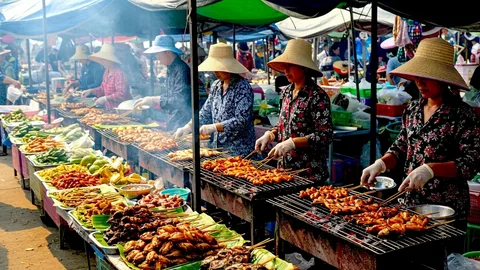
A Chiang Mai cooking class typically starts with a trip to a fresh market. This is where you pick up your ingredients, and a good instructor will walk you through the stalls, explain what you are looking at, and show you how to identify fresh galangal from older stock, or which type of Thai basil works in which dish.
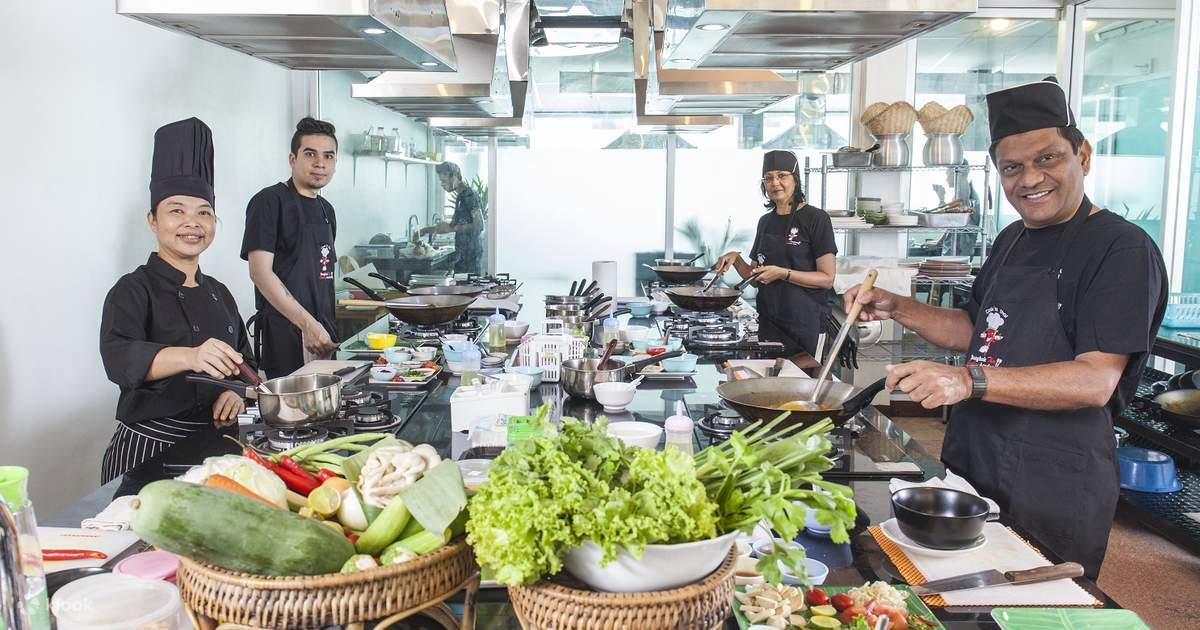
Back at the cooking space, you work through three to five dishes, usually in sequence. Each recipe is demonstrated first, then you cook it yourself at your own station. By the end of the session you sit down and eat everything you have made, which is one of the more satisfying ways to spend a morning or afternoon.
The recipes you learn travel well. Every class sends you home with a printed recipe book covering everything you cooked, and most of the key ingredients (palm sugar, fish sauce, kaffir lime leaves, galangal) are available in Asian supermarkets outside Thailand.
According to the Tourism Authority of Thailand, Chiang Mai is consistently among the top three most visited destinations in the country, and cooking classes remain one of the most booked activities for first-time visitors.
Market Visit vs Farm Class: Which Is Right for You?
Most Chiang Mai cooking classes fall into one of two formats: market-based or farm-based. Both are worthwhile, but they suit different kinds of travellers.
Market-Based Classes
These start at a fresh market in the city, usually Warorot Market (known locally as Kad Luang) in the old town area. You browse the stalls with your instructor, buy your ingredients, and head to a cooking space nearby. The market visit adds context: you learn what fresh turmeric looks like, how to pick a good Thai chili, and what the difference is between three types of eggplant. These classes tend to be more accessible, closer to central accommodation, and easier to fit into a half-day itinerary.
Farm-Based Classes
Farm classes take place at organic farms outside the city, usually 15 to 25 km from the centre. The extra travel is worth it if you want a more immersive experience: you pick herbs and vegetables straight from the garden, the setting is quieter, and the food tends to taste noticeably fresher. These classes are almost always full-day affairs, with pickup from central Chiang Mai included. They suit travellers with a full free day and an interest in how Thai produce is actually grown.
Half Day vs Full Day Cooking Classes
The right duration depends on how much time you have and what you want to get out of it.
Half-Day Classes (3.5 to 4.5 hours)
Half-day classes are the most popular option. They typically cover four dishes, include the market visit, and finish before lunch or early afternoon. This leaves the rest of the day free for the rest of Chiang Mai, whether that is the temples, the Sunday Night Bazaar, or just a long lunch. Prices for half-day classes are lower, and the shorter format suits travellers who have limited time or are travelling with children.
Full-Day Classes (5.5 to 7 hours)
Full-day classes cover more dishes, often six to eight, and include a longer market visit and a proper sit-down lunch. Some full-day programmes include a second market stop in the afternoon for dessert ingredients. If cooking is a genuine interest rather than a day-filler, the full-day format is the better investment. You get more instruction time, more variety, and the pacing is more relaxed.
Vegan and Vegetarian Cooking Classes
Chiang Mai is one of the best places in Thailand for plant-based food, and that extends to cooking classes. Several operators run dedicated vegan programmes where every dish taught is fully plant-based, with no fish sauce substituted without explanation and no accidental shrimp paste in the curry paste.
What to check before booking: ask specifically whether the class is vegetarian-adapted or whether it runs an entirely separate vegan curriculum. Some operators teach a single class structure and swap out ingredients on request. Others run a dedicated vegan programme where the recipes are designed from the ground up without animal products. The latter is more useful if you actually cook vegan food at home.
Common dishes taught in vegan Chiang Mai cooking classes include tofu larb (a northern minced salad with herbs and toasted rice powder), coconut milk-based green curry without fish sauce, pad Thai made with soy sauce and tofu, and mango sticky rice for dessert.

What You Will Learn to Cook
The dishes on offer vary by operator, but most Chiang Mai cooking classes cover a mix of northern Thai specialities and central Thai staples.
Northern Thai dishes you are likely to cook include khao soi (the signature coconut curry noodle soup of the north), sai ua (the grilled herbal pork sausage made with lemongrass, galangal, and dried chili), nam prik noom (roasted green chili dip), and gaeng hang lay (a slow-cooked Burmese-style pork curry brought to Chiang Mai along the old trade routes).
Central Thai dishes commonly taught include green curry, tom kha gai (coconut milk soup with galangal and lemongrass), pad Thai, and som tum (green papaya salad). Most classes also include sticky rice, the staple grain of northern Thailand rather than the jasmine rice more common in the south.
If learning specifically northern dishes matters to you, check the curriculum before booking. Some operators default to a mix weighted toward central Thai food because it is more familiar to international visitors.
What to Look for When Booking
Chiang Mai has dozens of cooking class operators, and quality varies considerably. These are the things worth checking before you commit.
Group Sizes
Group size matters more than almost any other factor. A class of 20 people at individual stations is a very different experience from a class of 6. In a large group, you spend more time waiting, get less direct feedback from the instructor, and the session moves faster. Look for operators who cap their classes at 8 to 12 guests. Some operators run private classes for couples or small groups, which cost more but give you complete control over pace and menu.
Instructor Background
The best Chiang Mai cooking class instructors are either trained chefs or home cooks who have been teaching for years and know their own regional cuisine deeply. A brief bio on the operator's website, or a reference to where the instructor grew up and learned to cook, is a reasonable indicator of authenticity. Avoid operators where the instructor background is entirely absent.
Market Visit Included
Not every class includes a market visit. Some operators skip the market to save time, especially in shorter half-day formats. If the market component matters to you, confirm it is included before booking rather than assuming.
Recipe Book Provided
A printed recipe book is standard at most reputable operators. It means you can actually reproduce what you cooked once you get home. If it is not mentioned in the listing, ask.
Dietary Accommodations
If you are vegetarian, vegan, or have allergies, contact the operator directly before booking. Most operators in Chiang Mai are experienced at accommodating dietary requirements, but it is worth confirming in advance rather than raising it on the day.